.svg)


.svg)





What Constitutes Negligent Care Under Florida Law
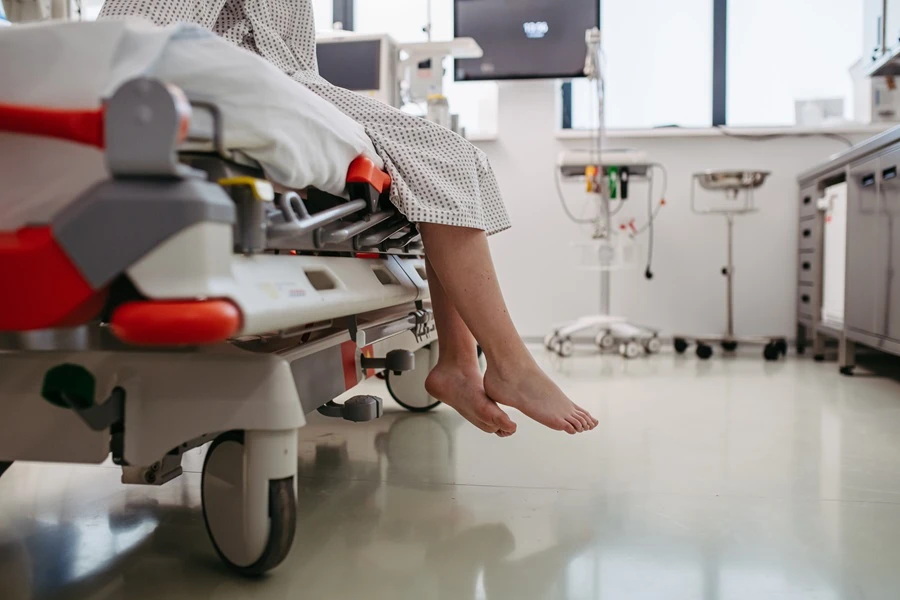
Legally, negligent care occurs when a provider fails to exercise the level of care, skill, and attention that a reasonably prudent provider would under identical circumstances. When that failure directly results in physical injury or a wrongful death, it creates grounds for a civil lawsuit under Fla. Stat. § 766.102.
Depending on the provider's license, substandard care can lead to a medical malpractice lawsuit or a facility liability claim under Fla. Stat. § 400.023. Our legal team reviews facility records and shift logs to identify exactly where safety protocols broke down. Negligence frequently appears through these specific failures:
- Failure to monitor a patient's condition: Neglecting to routinely check vital signs, failing to respond to sudden changes in a patient's status, or ignoring clear warning signs of distress.
- Medication mistakes: Administering the incorrect prescription, miscalculating dosages, failing to check dangerous drug interactions, or ignoring documented patient allergies.
- Unsanitary conditions: Failing to maintain a clean environment, exposing vulnerable patients to hospital-acquired infections, sepsis, or contaminated medical tools.
- Abuse and exploitation: Physical harm, emotional mistreatment, or financial manipulation of vulnerable individuals by staff members who were improperly screened or unsupervised.
- Improper treatment protocols: Providing inadequate daily assistance, failing to follow physician orders, or using unsafe transfer techniques that cause physical trauma.
One Conversation Can Tell You Whether You Have a Case
You do not have to carry this burden alone while the evidence disappears and deadlines approach. Our experienced Pensacola negligent care attorneys (supported by our in-house physician Dr. Timothy Brooks, M.D.) review your records, identify where the standard of care was breached, and give you honest answers on where your family stands, at no cost and with no obligation.

Types of Negligent Care Cases We Handle
Our Pensacola legal team represents individuals harmed across a wide range of medical and long-term care environments. Each setting is governed by distinct Florida statutes, requiring a tailored approach to establishing liability. Here is where we focus our work.
Nursing Home Neglect and Abuse
We fight for the rights of elderly residents who have been mistreated or ignored in local long-term care facilities. Our attorneys investigate cases involving severe bedsores (pressure ulcers), malnutrition, dehydration, unexplained falls, and infections caused by chronic understaffing.
Assisted Living Facility Liability
We represent residents of assisted living facilities who suffer injuries due to inadequate daily supervision or facility neglect, including staff who fail to prevent known fall risks, mismanage medication schedules, or withhold necessary help with basic hygiene.
Home Healthcare Negligence
We pursue civil claims against home health agencies and their employees for substandard care delivered inside the patient's residence, including improper wound care, failure to monitor vital signs, and drop injuries during transfers.
Hospital and Clinic Negligence
We hold medical systems accountable for preventable administrative and staff errors by nurses, medical technicians, and support personnel, including surgical site errors, pharmacy mix-ups, and communication failures between shift changes.
Our Case Results
A Jefferson County jury has awarded $5 million in punitive damages to a Florida woman for the wrongful death of her husband, and against two Birmingham physicians and the University of Alabama Health Services Foundation.
LIBERTY, Mo. — a Clay County Circuit Court jury was about to award $26.2 million to the plaintiffs in a Rezulin trial when the parties settled for an undisclosed amount Dec. 27 (Shirley Griggs, et al. v. Warner-Lambert Company, No. CV100 3957 CC, Mo. Cir., Clay Co.; See December 2001, Page 6).