.svg)


.svg)




The decision to place a loved one in a nursing home is never made lightly, but knowing which nursing home red flags to look out for can give families a decisive advantage when choosing a suitable facility.
When neglect or mistreatment goes undetected, the consequences range from preventable injuries and untreated medical conditions to lasting emotional harm for both the resident and their family.
In this article, the experienced Pensacola nursing home abuse lawyers at Michles & Booth list five of the biggest nursing home red flags families often miss before serious harm occurs. The sooner you recognize these signs, the better off your loved one will be.
1. The Facility Is Not Clean
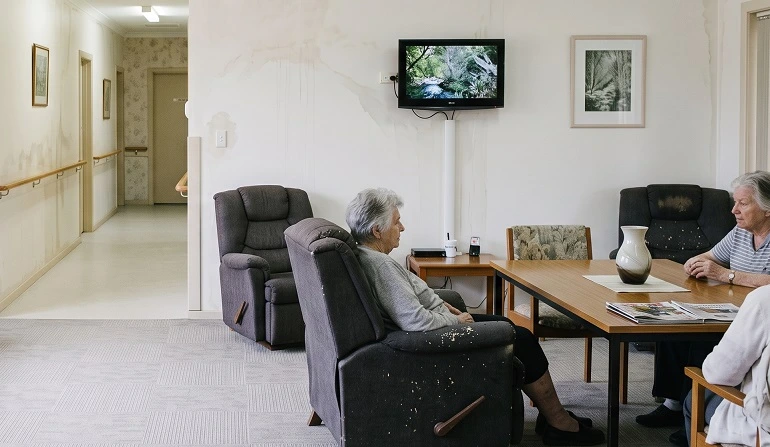
The cleanliness and general presentation of a nursing home are among the most direct indicators of how residents are treated day to day. A facility that is dirty or in visible disrepair signals inadequate staffing and poor infection-control standards.
An unclean facility often reflects a shortage of resources or staff, which compounds across every other aspect of daily care. Undertrained staff also raises the risk of infections spreading among residents.
During your initial walkthrough, pay close attention to spaces like shared bathrooms, dining areas, and linen storage. Persistent odors in resident rooms, particularly ammonia or fecal smells, can indicate that incontinence care is not being managed at an adequate frequency.
2. The Residents Appear Neglected
Observe the residents directly as well. Those who appear unclean, malnourished, poorly groomed, or dressed inappropriately for the weather are showing signs that their basic care needs are not being met.
Federal nursing home standards require facilities to maintain each resident's physical, mental, and psychosocial well-being, not just manage their medical conditions. A facility where residents are consistently disengaged, unkempt, or visibly distressed is one that falls short of the dignified treatment every resident is legally entitled to.
Also, watch how the staff interact with residents. Facility workers who ignore residents, fail to address them by name, or respond with visible impatience may fail to provide the level of care families should expect.
3. The Visiting Policy Is Overly Restrictive
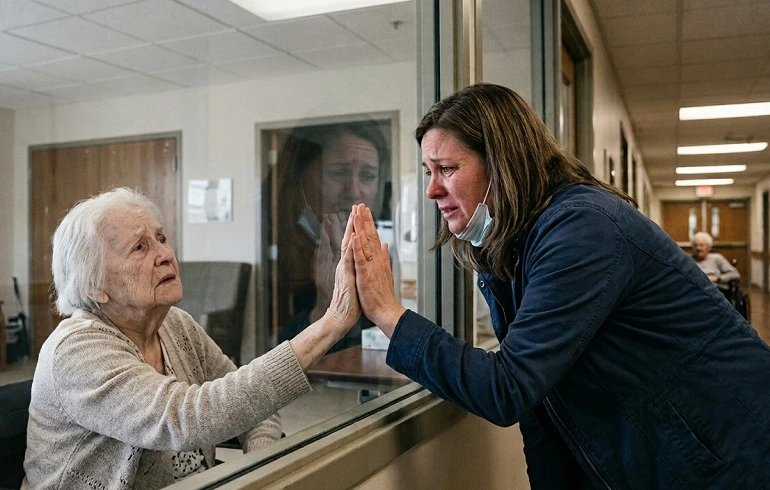
Visiting policies can reveal a great deal about how a facility views the families of its residents. While nursing homes vary in their policies, most allow friends and family members to come and go as they please. However, some nursing homes have extremely restricted visiting hours, which can be a red flag.
Under the federal Nursing Home Reform Act, residents have the right to receive visitors at any time of day or night, provided the resident consents and other residents are not disturbed. A facility that restricts access beyond what the law allows is in violation of residents’ rights.
Visiting hours that are too restrictive can signal that the nursing home is trying to limit contact between residents and the outside world. Overly restrictive policies typically point to chronic understaffing, poor administration, or a facility that does not want outside eyes on the care being provided.
If you are concerned about restricted visiting hours, talk to the nursing home administrator and ask why they have such strict policies in place. If the administrator cannot provide a clear, reasonable explanation for the restrictions, consider it a warning sign. A facility manager with nothing to hide will give a direct answer.
4. The Facility Has Bad Reviews
Online reviews are one of the most accessible tools for identifying facilities with systemic problems. Although no nursing home is perfect, those that receive consistent complaints across multiple platforms are worth being wary of. Pay particular attention to patterns: Several reviews over six or more months citing the same issues carry far more weight than a single outlier.
If you are considering a nursing home that has bad reviews, take the time to visit the facility and speak to staff and residents. A facility with a recent pattern of deficiency citations, particularly in staffing levels, medication administration, or resident rights, will likely bring those problems to every new admission.
5. The Staff Speaks Negatively About the Residents
The attitudes of staff members can reveal more than any brochure.
Workers who speak dismissively about residents, make derogatory comments, or show visible impatience in front of visitors are demonstrating behavior that almost certainly continues when no one is watching. A demoralized or burned-out workforce is a direct risk factor for resident neglect, regardless of whether the facility's physical conditions appear acceptable.
High staff turnover is a closely related warning sign. Continuous, relationship-based care is difficult to deliver when staff members rotate frequently, and high turnover typically reflects poor management, unrealistic workloads, or both.
Ask directly about the staff-to-resident ratio and annual turnover rate. If the facility’s administrators deflect these questions or cannot provide a straightforward answer, it warrants more scrutiny.
Signs That Your Loved One May Already Be Experiencing Neglect
If you have already put a family member in a long-term care facility, the warning signs you should be attuned to will have more to do with them than their surroundings.
Physical Warning Signs to Watch For
Neglect is not always visible at first glance, but it leaves physical and behavioral traces that family members can learn to pick up on. Here is what to look for.
Bedsores (Pressure Ulcers)
Pressure ulcers form when residents are left in one position too long. Stage 1 appears as persistent redness that does not fade; Stages 3 and 4 involve open wounds that carry a serious infection risk. Bedsores are largely preventable with proper repositioning schedules and are one of the clearest indicators of neglect in a long-term care setting.
Unexplained Bruising or Marks on the Wrists and Ankles
Bruising in unusual locations, such as the torso, the inner arms, or around the wrists, can indicate physical handling that crosses into abuse. If you notice bruising that a staff member cannot explain, it is a clear indication that something is amiss.
Rapid Weight Loss or Dehydration
Changes in appearance like sunken eyes, dry skin, cracked lips, and noticeable weight loss point to inadequate nutrition and hydration. These are legally actionable forms of nursing home neglect under Florida law.
Poor Hygiene or Unchanged Clothing
Residents being left in soiled bedding or unwashed clothing for extended periods is a direct sign that the facility’s staff is not meeting basic care standards.
New or Untreated Infections
Wounds, skin infections, or recurring UTIs that go unaddressed may suggest that a facility is not monitoring residents with the attention high-quality care demands.
Behavioral Changes That Signal Abuse or Neglect
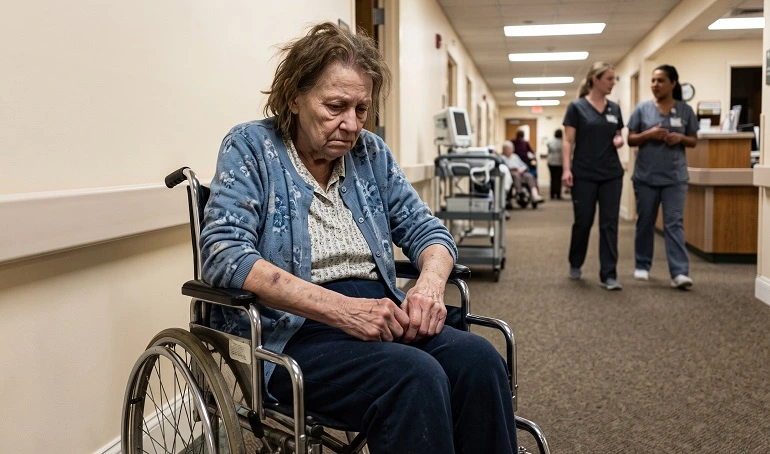
Changes in the way your loved one acts can also signify abuse, neglect, or mistreatment. Keep an eye out for the following behaviors:
- Withdrawal from family visits or conversations they previously welcomed.
- Sudden displays of agitation, confusion, or fearfulness without a clear medical cause.
- Reluctance to speak in front of staff members, which frequently occurs when a resident has been abused or threatened.
- Unexplained financial transactions or missing personal belongings; financial exploitation is one of the most underreported forms of elder abuse in long-term care settings.
If you notice more than one of these signs, write down what you see, including dates and photographs where possible. Florida law requires nursing homes to investigate complaints and respond within set timeframes.
How to Research a Nursing Home Before You Visit
The image a facility presents during a scheduled walkthrough may not reflect its everyday conditions, which means a single tour is not enough. Before scheduling a visit, it is important to take the time to clarify the facility's track record.
Federal and State Databases Worth Checking
Medicare Care Compare rates every Medicare and Medicaid-certified nursing home in the country based on health inspections, staffing levels, and quality measures. Each facility receives an overall star rating from 1 to 5.
When using Care Compare, pay close attention to the health inspection results, which list every deficiency cited during state surveys. A facility with repeated citations for neglect, medication errors, or insufficient staffing has a documented pattern that should warrant concern.
The Florida Agency for Health Care Administration (AHCA) licenses and inspects every nursing home in the state. Their public portal allows searches by facility name or county and displays complaint histories, inspection findings, and any administrative actions or fines on record. If a facility has unresolved complaints or recent sanctions, it may be a high-risk placement.
The Legal Rights of Nursing Home Residents
Florida Statute Section 400.022 lays out the legal rights of every nursing home resident in the state. These include the right to receive visitors at any hour without restriction, the right to be free from physical and chemical restraint, the right to participate in care-planning decisions, and the right to file grievances without fear of retaliation.
A facility that only meets the legal minimum is not necessarily one worth trusting with your loved one’s daily care. Review these rights to set a floor for acceptable care, then use in-person visits to evaluate each facility individually.
Questions to Ask During a Nursing Home Tour

A tour of a long-term care facility is as much an interview as it is an inspection. Here are a few key questions to ask:
- What is the current staff-to-resident ratio during day, evening, and overnight shifts?
- What has the staff turnover rate been over the past 12 months?
- How does your facility handle incidents like falls or medication errors, and how are families notified?
- What activities are available to residents, and how many residents participate on a regular basis?
- Does your facility have a written abuse-prevention program and a formal complaint policy for residents and families?
- When was the last state inspection, and are those results available for review?
- Can family members visit unannounced at any hour?
If an administrator becomes defensive, says they need to check with someone before answering basic operational questions, or dismisses any of your concerns, treat their response as one more red flag.
What to Do If You Suspect Nursing Home Abuse in Florida
If you have reason to think a loved one is being abused or neglected in a Florida nursing home, you have several ways to act.
File a Complaint with the AHCA
Report the facility to the Florida Agency for Health Care Administration. Your complaint will become part of the facility's permanent inspection record and can support a future legal claim.
Report the Abuse to Adult Protective Services
Call Florida's 24-hour elder abuse hotline at 1-800-962-2873 or file a report online. Adult Protective Services will launch an investigation independently of the facility.
Contact the Long-Term Care Ombudsman
You can reach Florida's Ombudsman Program through the Florida Department of Elder Affairs to have officials look into complaints and mediate with administrators.
Gather Evidence Before Calling an Attorney

Record dates, times, detailed observations, and direct quotes from the resident. Also, photograph visible injuries and log every conversation with staff. Under Florida law, you have the right to access medical records within a reasonable timeframe, and a facility that refuses that request may be acting unlawfully.
These steps can help you protect your loved one and build the evidentiary record your attorney will need to hold the facility accountable. Regulatory complaints and a legal claim can move forward at the same time, so you do not have to wait for one to finish before starting the other.
Do Not Let a Red Flag Become a Tragedy
If not addressed promptly, warning signs can turn into devastating outcomes.
The skilled attorneys at Michles & Booth have been handling Florida nursing home neglect and abuse cases since 2001. Two of the firm's lawyers, Marcus Michles and Adrian Bridges, are Florida Bar Board Certified Civil Trial Specialists, the Bar's highest level of recognition in trial law. Additionally, the firm keeps a medical doctor and full-time investigators on staff.
If someone you care about has been harmed in a Florida nursing home, contact us today to make sure justice is done. We are available 24/7, and you pay nothing unless we recover for your family.

Schedule a Free Consultation with Our Attorneys Today!
get a Free Consultation
Concerned About a Loved One's Care? We Can Help You Protect Them.
If you believe your loved one has been abused or neglected in a Florida nursing home, our attorneys can review your situation at no cost. Don't Be A Victim Twice™. Call us or request a consultation online today.