.svg)


.svg)




Every day across Florida, forklifts (also known as lift trucks) help power construction sites, shipping hubs, and warehouse floors. But while they are essential to moving heavy loads efficiently, they also come with significant risks.
Occupational Safety and Health Administration OSHA estimates that 35,000 serious injuries and 62,000 non-serious injuries involving forklifts occur annually nationwide. Even more alarming, forklift-related deaths were the source of 67 work-related deaths in 2023.
Florida’s climate, terrain, and outdoor-heavy industries add another layer of danger. In September 2024 alone, two fatal forklift accidents occurred in the state, underscoring the urgent need for safety and legal awareness in 2025.
When heavy-duty lift truck accidents occur, having a strong team of workers' compensation lawyers in your corner will ensure you get the most compensation possible for your work injuries. Understanding the most common causes of forklift accidents helps workers protect themselves and know their rights.
The #1 Forklift Accident Type: Tip-Overs and Rollovers
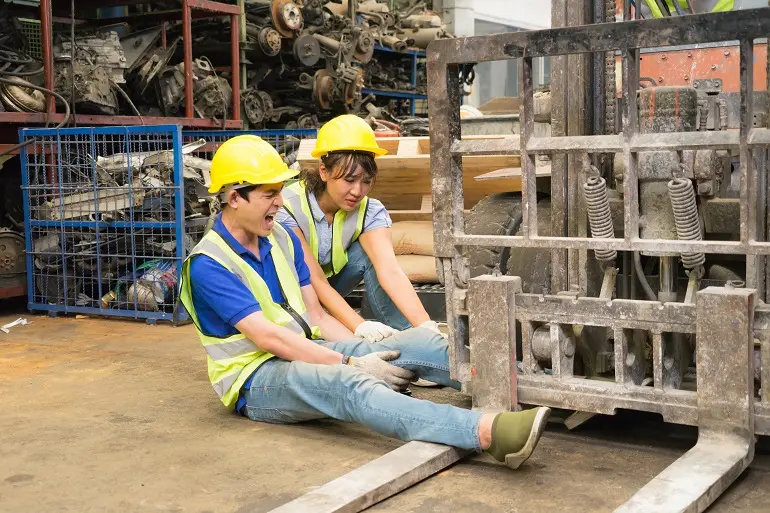
Tip-overs and rollovers account for the deadliest type of forklift accident, resulting in 42% of all forklift fatalities.
Florida's workplace conditions create additional challenges for forklift operators. Outdoor work environments often feature uneven or sloped surfaces, while high-pressure operations push workers to move faster, sometimes cutting safety corners. The physics behind forklift tip-overs centers on the vehicle's stability triangle — when loads are elevated or the material handling equipment moves too quickly, this balance shifts dangerously.
Common tip-over scenarios include:
- Turning too sharply with an elevated load
- Operating a lift truck on inclines or uneven surfaces
- Overloading beyond the fork truck's capacity
- Driving with raised forks
- Traveling too fast around corners
- Operating on soft or unstable ground conditions
One of the most heartbreaking realities is that many forklift fatalities happen when operators panic and try to jump from a tipping forklift. Safety protocols are clear: operators should stay seated, hold on, and lean away from the direction of the fall. While this response may feel unnatural in the moment, it saves lives, yet too many workers are never trained to react this way when operating a lift truck.
Other Common Forklift Accidents in Florida Workplaces
While tip-overs dominate fatality statistics, other forklift accidents regularly injure Florida workers and create significant liability for employers and equipment manufacturers.
Pedestrian Collisions
Pedestrian strikes represent one of the most preventable forklift accidents, with almost 80% of forklift incidents involving pedestrians. These forklift incidents result in serious injuries due to the weight and momentum of forklifts.
Pedestrian collisions commonly occur when:
- Workers walk behind a moving lift truck in reverse
- Operators cannot see around large loads
- Employees step into designated forklift travel lanes unexpectedly
- Blind corners lack proper mirrors or warning systems
- Loading dock areas become congested with foot traffic
- Workers assume the forklift operator can see them
In these accidents, forklift injuries tend to be severe, including broken bones, internal injuries, amputations, and traumatic brain injuries. The weight and momentum of lift trucks, even at low speeds, can cause devastating harm to human bodies.
Falling Load Incidents
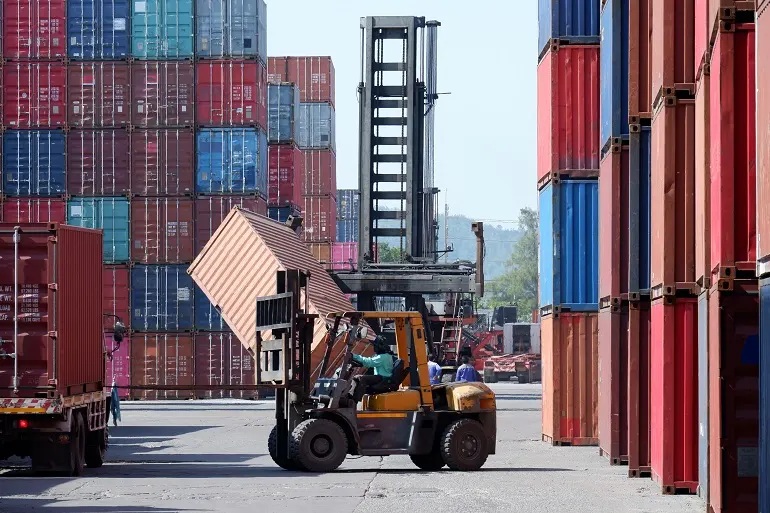
Falling load accidents occur when cargo is not secured properly on the forks, creating crush injuries, head trauma, and broken limbs. These forklift injury incidents often require extensive medical treatment and result in significant lost wages for injured workers.
Primary causes of falling loads include:
- Incorrect fork tilt positioning
- Using broken or damaged pallets
- Moving with forks raised too high
- Operating the wrong type of forklift for specific loads
- Inadequate load securing methods
- Exceeding weight capacity limits
OSHA provides comprehensive load composition regulations that employers must follow to prevent these accidents. Proper load handling requires an understanding of weight distribution, securing methods, and the selection of appropriate equipment for each task.
Equipment Failures and Brake Malfunctions
Mechanical failures often turn near-misses into serious injuries and represent a significant cause of forklift-related injuries. Equipment manufacturers and maintenance providers share responsibility when mechanical issues contribute to workplace accidents requiring immediate medical attention.
Common mechanical failure causes include:
- Worn-out fork truck brake systems
- Faulty steering mechanisms
- Leaking hydraulic systems
- Neglected routine powered industrial truck maintenance
- Improper equipment inspections
- Using a lift truck beyond its intended lifespan
Employers bear significant responsibility for maintaining safe equipment and following daily inspection protocols required by OSHA regulation 29 CFR 1910.178(q). When companies cut maintenance costs or ignore mechanical problems, they create liability for resulting injuries and may face substantial workers' compensation benefits claims.
Operator Error Due to Inadequate Training
It is not just the machines — it is the training and workplace conditions. Many of the most common forklift accidents result from poor or outdated training. Poor operator training affects speed control, cornering techniques, load handling, and pedestrian awareness in workplace settings.
Training failures that increase accident risks include:
- Rushed onboarding processes that skip critical lift truck safety elements
- Skipped refresher courses for experienced forklift operators
- "Certification-only" approaches that lack hands-on practice
- Failure to address site-specific fork truck hazards and conditions
- Inadequate supervision during initial operating periods
- No ongoing lift truck safety education or updates
Comprehensive operator training must address Florida's unique working conditions, including outdoor operations, weather-related visibility issues, and the specific equipment used at each worksite. One-time certification cannot adequately prepare operators for the diverse range of situations they will encounter when operating lift trucks.
OSHA Rules That Apply in Florida Workplaces
Like every state, Florida operates under federal OSHA jurisdiction. This means federal OSHA standards apply directly to Florida workplaces, creating uniform safety requirements across industries.
Understanding these regulations helps injured workers recognize when employers have violated safety standards, which can potentially strengthen workers' compensation benefits claims and personal injury lawsuits.
Violations of these standards create legal liability and often indicate negligence in workplace accident cases. When employers fail to meet federal safety requirements, injured workers may have stronger claims for maximum compensation.
Legal and Regulatory Perspective on Forklift Accidents in Florida
Florida's workers' compensation system provides benefits for forklift accident injuries, but the legal landscape becomes complex when multiple parties bear responsibility for powered industrial truck accidents. Understanding your rights protects you from insurance company tactics designed to minimize payments.
If you have experienced a lift truck accident, you may be entitled to:
- Workers’ compensation benefits
- Medical coverage for internal injuries and long-term care
- Wage replacement or disability benefits
- A personal injury lawsuit, in cases of negligence or product failure
Workers' compensation benefits typically cover medical expenses, lost wages, and rehabilitation costs regardless of fault. However, third-party liability scenarios may provide additional compensation opportunities beyond standard benefits.
Equipment manufacturer defects, maintenance contractor negligence, or property owner liability can lead to personal injury lawsuits that supplement workers’ compensation coverage. These cases require a thorough investigation to identify all responsible parties and maximize financial recovery.
Florida Statute 440 governs workers' compensation, but skilled attorneys understand how to navigate both workers' compensation and personal injury claims simultaneously. This dual approach often results in significantly higher compensation for injured workers and their families.
What Damages Can You Recover After a Forklift Accident in Florida?
A forklift accident can leave you facing medical bills, missed paychecks, and long-term consequences. Florida law offers several pathways to financial recovery, and it is not just about workers’ compensation. Depending on the circumstances, you may be able to pursue additional claims for broader damages.
Here are some of the most common types of compensation injured workers and their families may pursue:
- Workers' compensation benefits: Covers medical treatment, partial wage replacement, and vocational rehab, regardless of fault.
- Disability payments: If your lift truck injury results in temporary or permanent disability, you may qualify for ongoing support.
- Third-party liability claims: If a subcontractor, forklift equipment manufacturer, or property owner contributed to the accident, you may file a separate personal injury lawsuit.
- Wrongful death benefits: Surviving family members may receive financial support and funeral expenses if the accident was fatal.
- Pain and suffering: Personal injury lawsuits can include damages for emotional distress, chronic pain, and loss of quality of life from a lift truck accident.
- Punitive damages: In cases involving gross negligence or willful disregard for forklift safety, additional damages may be awarded to punish the at-fault party.
Understanding what compensation you are entitled to depends on a detailed investigation of the accident and the parties involved. A skilled attorney can help you evaluate all options and ensure no potential avenue for recovery is overlooked.
Steps to Take After a Forklift Accident in Florida

A lift truck accident can leave you overwhelmed and in pain. Knowing the right steps to take after a workplace injury can make all the difference in protecting your health and ensuring a successful claim.
Seek Immediate Medical Attention
Your health comes first, and receiving prompt medical care is crucial for creating accurate documentation for your claim. Even seemingly minor injuries can develop into serious conditions that require extensive treatment.
Tell healthcare providers explicitly that your injury is work-related. This ensures proper documentation and billing that support your workers' compensation claim and any potential personal injury lawsuit.
Report the Accident to Your Supervisor
Florida law requires reporting workplace injuries within 30 days; however, immediate reporting protects your rights and ensures a proper investigation. Document everything in writing and keep copies of all reports and communications.
Document the Accident Scene
Take photographs of your injuries, the lift truck involved, and the accident scene if you are able. Gather witness contact information and request copies of any incident reports your employer creates.
Essential documents to collect include:
- Photos of the accident scene and any equipment involved
- Witness names and contact information
- Incident reports filed by your employer
- Medical records and treatment documentation
- Work schedules and time records
- Equipment maintenance logs
- Safety training records
Preserve All Evidence
Keep detailed records of medical bills, treatment recommendations, and work restrictions. Save all correspondence with supervisors, HR personnel, and insurance representatives. This documentation becomes essential if your claim is disputed.
Contact Our Workers' Compensation Attorneys
Insurance companies often minimize legitimate claims or deny benefits entirely. Having Florida Board Certified experts representing you from the beginning protects your rights and maximizes your chances of receiving all the workers’ comp benefits you are entitled to.

Get the Help You Need After a Workplace Injury
Lift truck accidents can cause life-changing injuries and financial stress. From falling loads to equipment failures, these incidents often leave workers facing long recoveries and mounting expenses. That is when knowing your legal options becomes essential.
At Michles & Booth, we have helped countless injured workers win with Florida's complex workers' compensation system and get paid the maximum compensation allowed by law. Our workers' compensation attorneys are specialists in this field and fight aggressively for injured workers, handling all aspects of your case. We work on a contingency basis, so you pay no fees unless we win compensation for your forklift truck accident compensation claim.
Do not face this challenge alone — contact us today for a free consultation to discuss your forklift accident case and learn how we can help you secure the compensation you deserve.


Schedule a Free Consultation with Our Attorneys Today!
get a Free Consultation
Were You or a Loved One Injured in a Forklift Accident? We Can Help.
Whether it was a tip-over, pedestrian collision, falling load, or mechanical failure, you may be entitled to compensation. Speak with our Board Certified Florida legal team today for a free case review and learn your rights.