.svg)


.svg)





What Is Wrongful Death in Florida
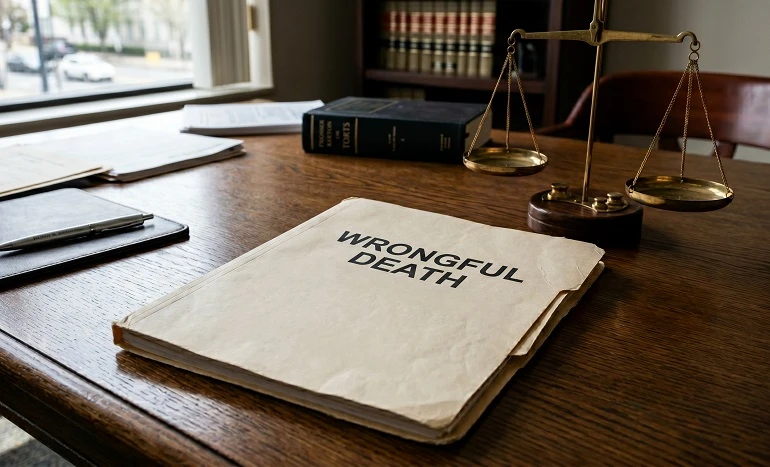
Under the Florida Wrongful Death Act (Florida Statutes §768.16–768.26), a wrongful death occurs when someone dies as a direct result of another party's negligence, wrongful act, or breach of duty, and the deceased would have had the right to file a personal injury claim had they survived. In Florida, the estate's personal representative brings the claim on behalf of surviving family members.
These cases are civil matters, entirely separate from any criminal proceedings. Even if no charges are ever filed or a defendant is acquitted, your family may still have a valid path to financial recovery and accountability.
Common Causes of Wrongful Death in Crestview
Wrongful death claims arise from many different circumstances. What they share is a common thread: someone's negligence or recklessness cut a life short. In Okaloosa County and across Northwest Florida, our attorneys have handled fatal cases involving:
- Car accidents: Speeding, distracted driving, and DUI crashes are among the most frequent causes of fatal collisions on Florida roads.
- Truck accidents: Fatigued drivers, overloaded cargo, and poor vehicle maintenance can turn an 80,000-pound rig into a deadly force.
- Medical malpractice: Surgical errors, misdiagnosis, and delayed treatment can result in deaths that should never have happened.
- Nursing home negligence: Understaffing, abuse, and neglect in long-term care facilities are a serious and underreported cause of elder death.
- Premises liability: Fatal slip and fall accidents, structural failures, and hazardous conditions on someone else's property.
- Workplace accidents: Construction site incidents, equipment failures, and unsafe conditions that cost workers their lives.
No matter how your loved one died, if another party's negligence played a role, your family may have a right to pursue a claim. Florida's wrongful death statute carries a two-year statute of limitations, so speaking with one of our wrongful death attorney specialists as soon as possible is critical to protecting that right.
Time Is Limited. Contact Our Crestview Wrongful Death Team Today.
Get a Free Consultation
Who Can File a Wrongful Death Claim in Florida
Florida law does not allow every grieving family member to file independently. The claim must be brought by the personal representative of the deceased's estate, typically a spouse, adult child, or close family member named in the will or appointed by the court. This representative acts on behalf of all eligible survivors.
For Most Tort-Based Wrongful Death Cases
Survivors who may be entitled to compensation include:
- A surviving spouse
- Children of any age
- Parents, in cases involving the loss of a child
- Other blood relatives or adopted siblings who depended on the deceased financially
For Medical Malpractice Wrongful Death Cases
Florida's medical malpractice wrongful death rules are more restrictive. If the deceased has no surviving spouse and no children under the age of 25, certain family members may not be able to bring a wrongful death claim. This limitation is often referred to as Florida's controversial "free kill" statute, and whether your family has a viable claim depends heavily on the specific facts and relationship to the deceased.
Wrongful death cases are not one-size-fits-all. A direct conversation with an experienced attorney is the right first step, not a form or a checklist.
What Compensation May Be Available to Your Family

Florida law recognizes that no amount of money can replace a human life. But financial recovery matters for the deceased’s family and loved ones. It addresses the real, concrete losses your family faces and holds the responsible parties accountable.
Economic Damages
These cover the measurable financial impact of your loss:
- Medical expenses incurred between the injury and death
- Funeral and burial costs
- Lost income and future earning capacity that your loved one would have provided
- Loss of household services and financial support
Non-Economic Damages
These address the emotional and personal dimensions of your loss:
- Loss of companionship, guidance, and protection
- Pain and suffering of surviving family members
- Loss of parental care and support for surviving children
Punitive Damages
Florida may also allow punitive damages in cases involving gross negligence or intentional misconduct. Punitive damages are intended not just to compensate your family, but to hold reckless parties fully accountable for the harm they caused.
The value of your case depends on your loved one's age, earning history, the needs of surviving dependents, and the strength of the evidence. Insurance companies begin calculating their offer the moment they receive the call. You deserve an attorney who will do the same on your behalf.